The Misunderstood Art of the Loop
In the world of cinematic production, there is a lingering misconception that Automated Dialogue Replacement (ADR)—often referred to as ‘looping’—is a cold, mechanical fix for technical failures. To the uninitiated, the idea of an actor standing in a sterile studio, months after a shoot, trying to replicate the raw intensity of a location performance sounds like a recipe for artifice. However, for those deep within the trenches of audio engineering and film scoring, the reality is quite the opposite. ADR is not merely a technical necessity; it is a profound tool for emotional preservation.
To achieve this seamless integration, it is vital for directors to understand how to partner with a film composer to ensure the music complements the dialogue.
When a scene is captured on a bustling city street or amidst the howling winds of a coastal cliff, the primary goal of the production sound mixer is to capture the performance. Yet, the physical environment often conspires against the emotional weight of the dialogue. A passing siren or a sudden gust of wind can obscure the subtle quiver in an actor’s voice—the very detail that connects the audience to the character’s internal world. In these moments, ADR serves as the bridge between a compromised recording and the director’s original vision.
Beyond Technical Necessity: The Search for Clarity
While ADR is frequently triggered by external noise or equipment limitations, its most significant contribution to modern cinema lies in its ability to refine the narrative arc. In the editorial phase, a director may realize that a line delivery needs a slightly different inflection to better align with a newly edited sequence. The performance on set might have been brilliant, but in the context of the final cut, it may lack the necessary resonance.
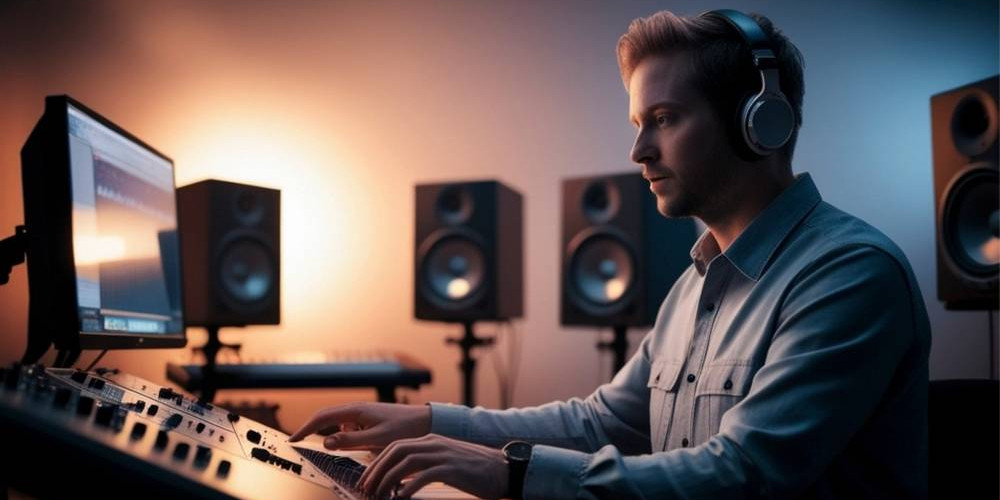
The ADR booth becomes a laboratory for emotional precision. Away from the distractions of a hundred-person crew, lighting rigs, and ticking clocks, the actor and director can focus exclusively on the sonic texture of the performance. This controlled environment allows for the capturing of ‘micro-emotions’—the soft intake of breath, the slight cracking of a voice, or the intimate whisper that would have been lost in the ambient noise of a live set.
The ADR Booth as a Psychological Sanctuary
Stepping back into a character months after production has wrapped is a daunting task for any actor. Yet, the isolation of the recording studio offers a unique psychological sanctuary. Without the physical constraints of the set, actors can often reach deeper into the emotional core of a scene. They are no longer competing with the elements; they are collaborating with the sound engineer to ensure their performance pierrows through the screen.
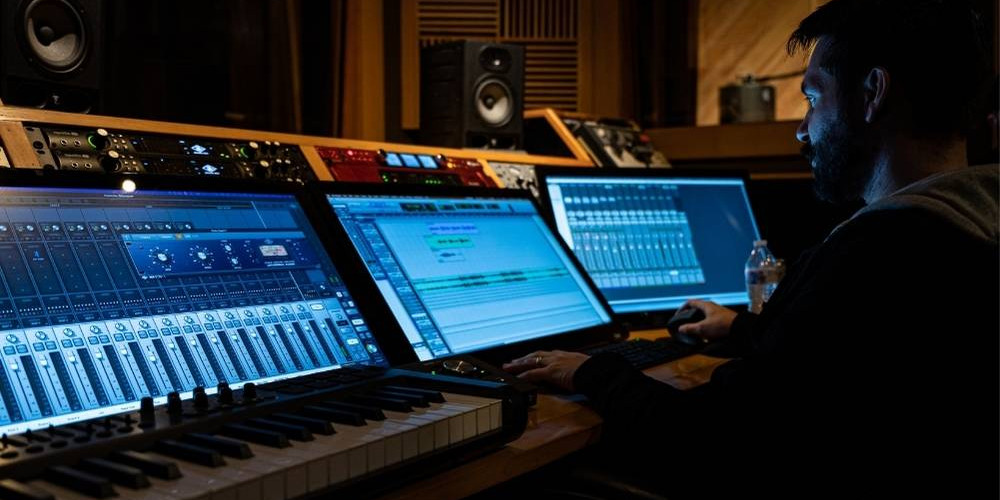
This process requires a symbiotic relationship between the actor and the audio engineer. The engineer’s role is to ensure the acoustic environment of the booth matches the visual space on screen—a process known as ‘world-izing’ the sound. If the scene takes place in a cathedral, the ADR must carry the weight of that space. If it’s a tense conversation in a moving car, the vocal frequency must reflect that claustrophobia. When done correctly, the audience never realizes the dialogue wasn’t recorded on location; they simply feel the emotion more clearly.
How ADR Preserves the Cinematic Heart
The impact of high-quality ADR on the final film cannot be overstated. It is a critical component of the ‘sonic storytelling’ that works in tandem with the film score to guide the audience’s emotional journey. Here are the primary ways ADR preserves the heart of a performance:
- Intimacy Restoration: ADR allows for the capture of subtle vocal nuances that are often drowned out by production noise, bringing the audience closer to the character’s internal state.
- Narrative Evolution: As the film’s edit evolves, ADR provides the flexibility to adjust the tone or even the specific wording of a line to better serve the story’s pacing and emotional beats.
- Technical Perfection: It eliminates distracting background noises that could pull an audience out of the immersion, ensuring that the focus remains entirely on the actor’s delivery.
- Atmospheric Cohesion: By carefully matching the dialogue to the acoustic environment created in post-production, ADR ensures that the character feels truly embedded in their world.
The Collaborative Synergy of Sound
At sonyabelousova.com, we often discuss the intersection of music and storytelling. ADR is a vital part of this ecosystem. Just as a film score is meticulously composed to evoke specific feelings, the dialogue must be engineered to sit perfectly within that musical landscape. If the dialogue is muddy or technically flawed, the score has to work twice as hard to compensate. When the ADR is executed with artistic sensitivity, the music and the voice can dance together, creating a singular, cohesive emotional experience.
Modern trends in audio engineering show an increasing move toward ‘performative ADR.’ Directors are no longer just looking for a clean recording; they are looking for a re-interpretation of the scene that might even surpass the original. We see this in high-budget dramas and intimate indies alike—the recognition that the voice is an instrument that requires fine-tuning in the final stages of production.
Conclusion: The Resonance of Precision
Ultimately, ADR is not a sign of failure on set, but a commitment to excellence in the final product. It is an observational truth of the industry that the most ‘natural’ sounding films are often the ones that have undergone the most rigorous audio post-production. By stripping away the sonic debris of the physical world, audio engineers and actors work together to uncover the purest version of a character’s voice.
As we continue to analyze patterns in cinematic storytelling, it becomes clear that the emotional heart of a film is a delicate thing. It requires protection, refinement, and sometimes, a second chance in the recording booth. ADR provides that second chance, ensuring that when a character speaks, the audience doesn’t just hear the words—they feel the soul behind them.